Científicos impactados por muestra de hielo marino del Ártico llena de microplásticos
Los núcleos de huelo contienen pequeños fragmentos de plásticos
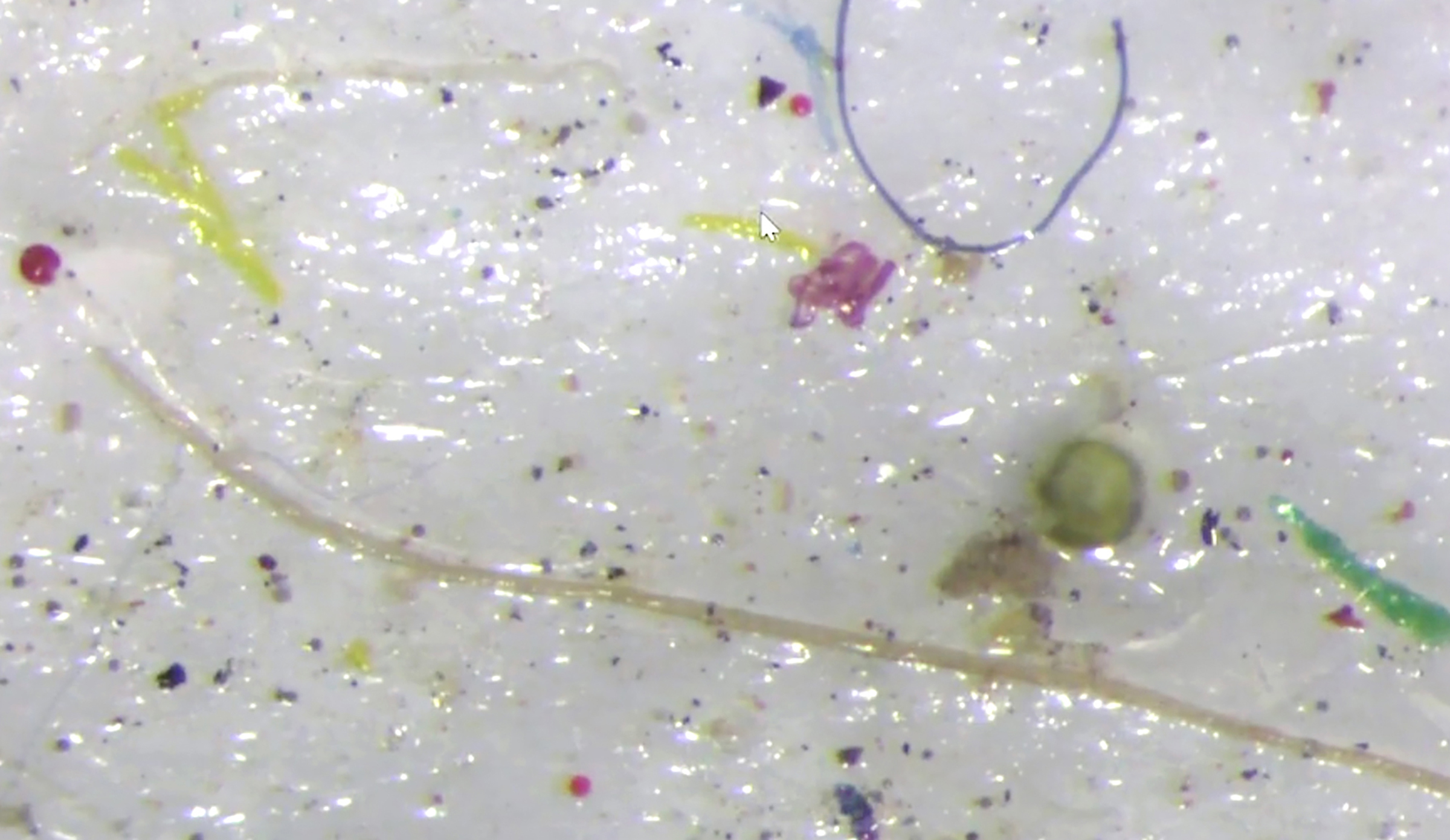
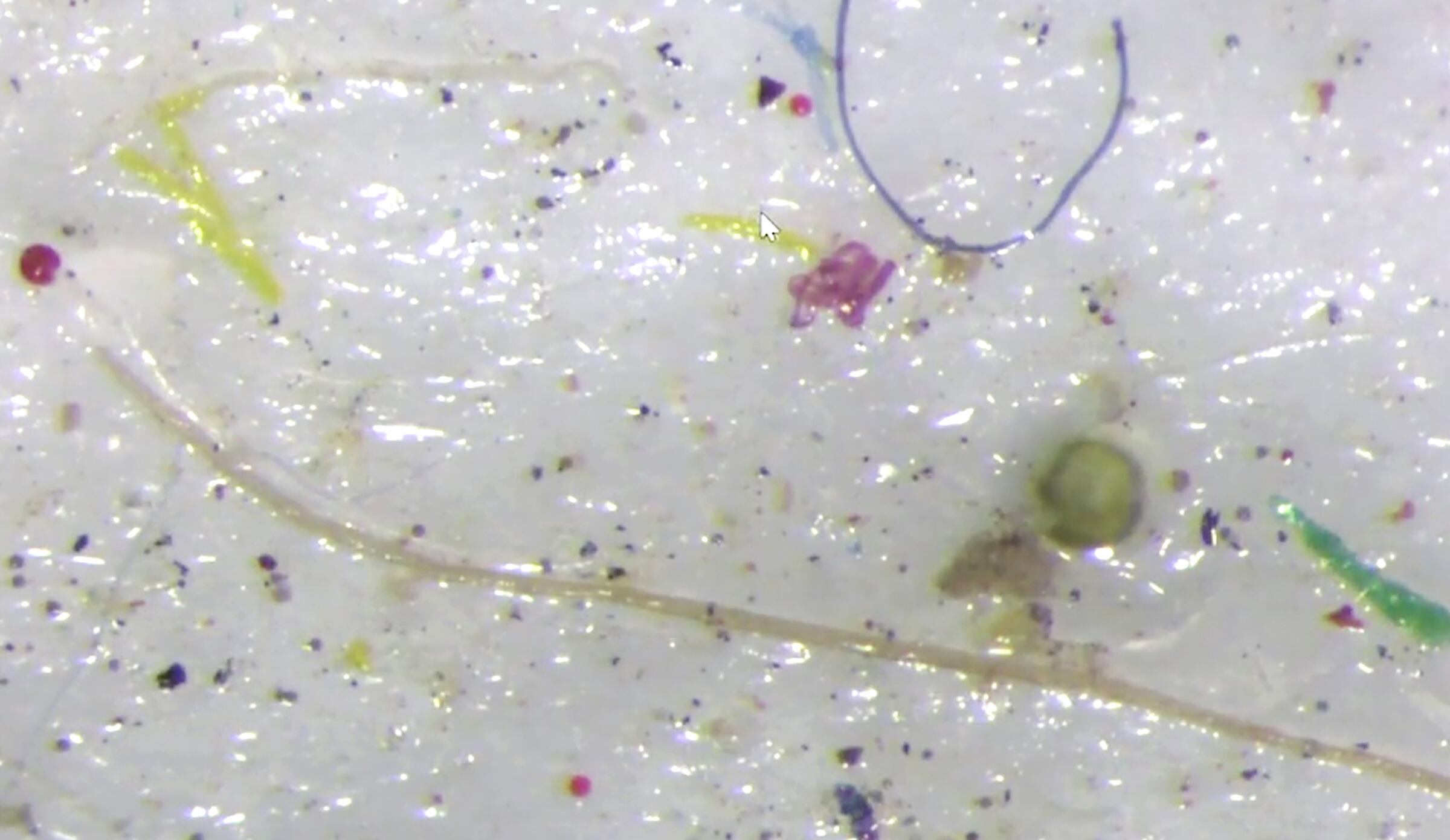
This handout photo released on August 12, 2019 by Duncan Clark/Northwest Passage Project shows an image from ice core samples containing tiny plastic fragments collected by researchers in the vicinity of the hamlet of Resolute, in Canada. - At first glance, it looks like hard candy laced with flecks of fake fruit, or a third grader's art project confected from recycled debris. In reality, it's a sliver of Arctic Ocean ice riddled with microplastics, extracted by scientists from deep inside an ice block that likely drifted southward past Greenland into Canada's increasingly navigable Northwest Passage between the Atlantic and Pacific Oceans. Plastic pollution was not a primary focus of the Northwest Passage Project, funded by the US National Science Foundation and Heising-Simons Foundation. (Photo by Duncan Clark / Northwest Passage Project / AFP) / RESTRICTED TO EDITORIAL USE - MANDATORY CREDIT "AFP PHOTO /Duncan Clark/Northwest Passage Project " - NO MARKETING NO ADVERTISING CAMPAIGNS - DISTRIBUTED AS A SERVICE TO CLIENTS- NO ARCHIVE DUNCAN CLARK
Agencia AFP
A primera vista, parece un caramelo duro mezclado con manchas de fruta, o un proyecto de arte de un niño de tercer grado confeccionado con escombros reciclados. En realidad, es una astilla de hielo del Océano Ártico plagado de microplásticos. Foto: AFP. (DUNCAN CLARK/AFP)
A primera vista parece un caramelo con pedacitos de fruta de colores. Pero en realidad es un trozo de hielo del Ártico lleno de microplásticos.
Un equipo de científicos extrajo esta muestra de un pedazo de hielo marino que probablemente derivó desde el norte de Groenlandia hasta el Paso del Noroeste, espacio marítimo entre los océanos Atlántico y Pacífico, cada vez más navegable debido al calentamiento global.
"No esperábamos encontrar tanto plástico, nos impactó", cuenta a la AFP Alessandra D'Angelo, de la universidad estadounidense de Rhode Island, al término de este viaje de 18 días a bordo del rompehielos sueco "Oden", junto a una decena de otros investigadores.
"Hay muchos y de todo tipo, bolitas, filamentos, nailon...", añade por teléfono desde Groenlandia.
La contaminación de plásticos no es el tema principal de esta misión de varios años llamada "Northwest Passage Project", liderada por el oceanógrafo Brice Loose.
Los científicos tratan de evaluar cómo el calentamiento del planeta afecta a la bioquímica y a los ecosistemas del archipiélago ártico canadiense.
Una de las cuestiones clave es determinar si el deshielo podría aumentar la concentración de metano -gas de efecto invernadero 30 veces más potente que el CO2- en la atmósfera.
El Ártico, que se calienta dos veces más rápido que la media mundial, aumentó 2ºC respecto a la era más industrial.
Microplásticos en hielo ártico advierten de contaminación atmosférica
Puñetazo en el estómago
Copiado!
"La omnipresencia del plástico, ha sido para nosotros como un puñetazo en el estómago", comenta Brice Loose, impactado al ver este material "totalmente extraño" en un entorno "tan inmaculado".
Según un estudio publicado en Science Advences, una gran cantidad de microplásticos y microfibras son transportados por los vientos hasta el Ártico, donde caen a tierra cuando nieva.
Cada año, unos 8 millones de toneladas de plástico se vierten directamente en los océanos.
El equipo del "Northwest Passage Project" recogió sus muestras cerca de Resolute, en Canadá. Pero según los científicos, el hielo, habida cuenta de su salinidad y de su espesor, venía sin ninguna duda del norte del océano Ártico y tenía más de un año.
La concentración de pedazos de plástico era mucho mayor que la del agua de alrededor.
"Cuando el agua se hiela forma cristales, y el agua pasa a través de estos cristales", explica Jacob Strock, otro miembro del equipo, de la universidad de Rhode Island. "El hielo actúa como un colador, filtrando las partículas que están en el agua".
El plancton, animal o vegetal, permanece prisionero de este hielo y algunos especímenes pudieron ingerir previamente microplásticos.
Se hallaron partículas de plástico en organismos que viven en todos los rincones de los océanos, hasta en el fondo de la fosa de las Marianas, en el Pacífico, la más profunda que se conoce.